AI for content creation
AI content creation that sounds like your brand
AI for content creation is a set of agents, models and skills trained on your brand, so your team can produce on-brand copy, assets and AEO-ready content in hours instead of weeks, without it reading like a machine wrote it.
By Rebecca Busk, CEO & Partner
Last updated: June 2026
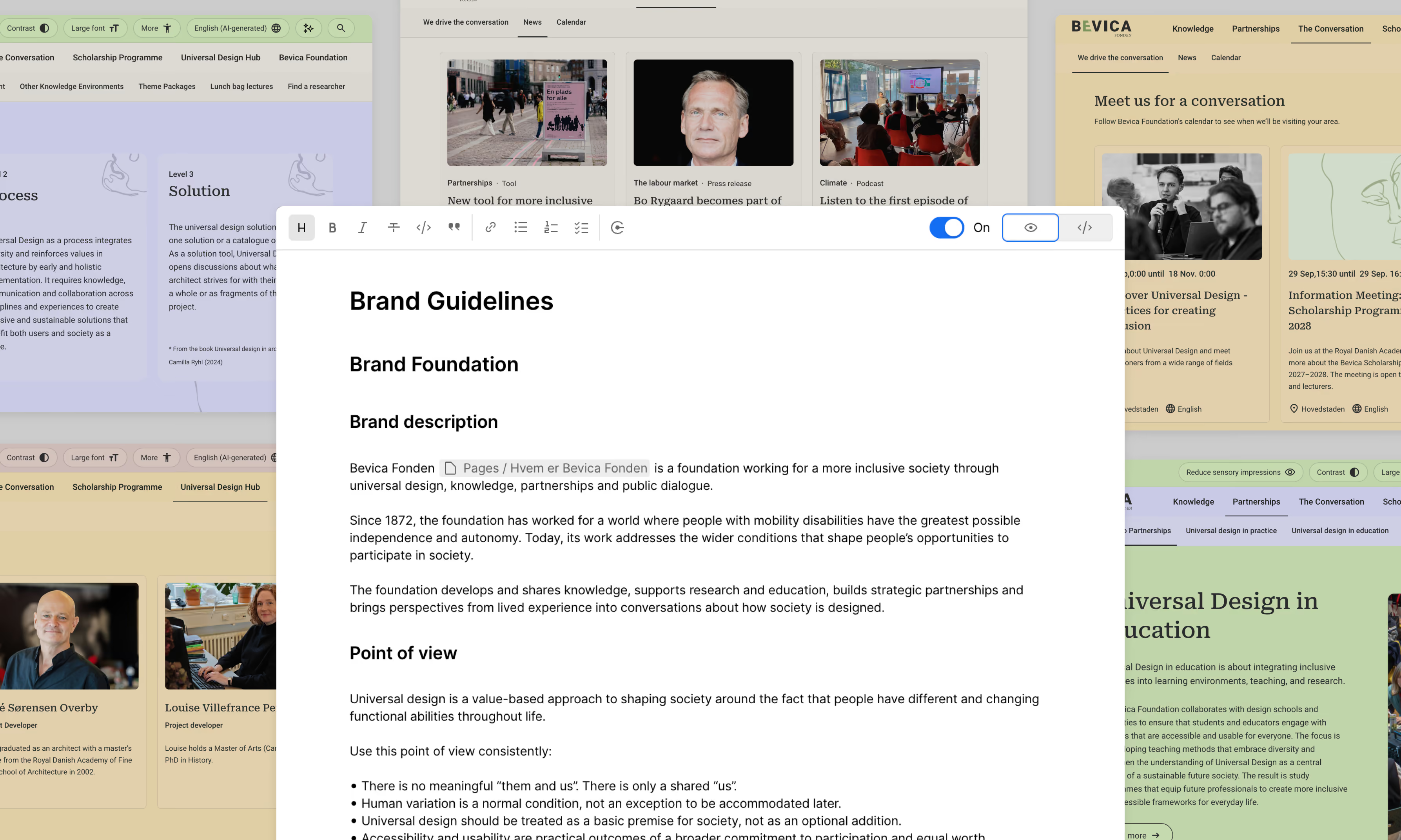
Good AI content means your team ships more, in your voice, with the expertise still coming from people.
We train the AI on your tone of voice, your positioning and your proof, and give your team skills they can run inside Claude or ChatGPT every day.
We set the guardrails. AI edits, structures and repurposes. Your experts still supply the substance, because that is what gets read and cited.
What is AI for content creation?
AI for content creation is the practice of building AI agents, models and skills around your brand so the content they help produce actually sounds like you. It starts with your tone of voice, your positioning and your proof, and turns them into tools your team uses every day. Blog posts, landing pages, campaign assets, product copy, all faster and all recognizably yours.
Most companies already use AI for content. The problem is the output. Generic prompts produce generic text, and generic text is exactly what readers skim and answer engines skip. The fix is a system trained on you, with rules the AI cannot break and a human in the loop for the expertise, so speed goes up and quality stays put.
Who is this for?
Marketing teams that have more to say than time to say it, and brands that have noticed their AI drafts all sound the same. You'll recognize at least one of these.
- 01Your AI drafts all sound the sameEverything comes out fluent, generic and a little too polite. Nobody can tell it's you.
- 02Five people, five versions of the brand voiceTone drifts from writer to writer and channel to channel, and the guidelines live in a PDF nobody opens.
- 03Content is the bottleneckCampaign pages, case studies and product copy wait in a queue because writing takes longer than anything else.
- 04You want AI search to cite youAnswer engines skip generic text. You need content that is specific, structured and clearly yours.
If two of these sound familiar, we can show you what a brand-trained setup looks like on your own content, before you commit to anything.
What's the difference between generic AI content and brand-trained AI?
Generic AI content | Brand-trained AI |
|---|---|
Starts from a blank prompt every time. | Starts from your tone of voice, positioning and proof, built into the tools. |
Sounds like everyone else using the same model. | Sounds like you, across writers, channels and languages. |
Invents claims and skips the specifics. | Works from your real examples and numbers, with rules it cannot break. |
AI should make your team faster at being you. If it makes you sound like everyone else, you have paid for speed and lost the reason anyone reads you.

What's included in AI for content creation
A brand-trained setup your team runs every day
- Brand-trained AI agentsAgents that know your brand, your offers and your proof, ready to draft, edit and repurpose inside the tools you already use.
- Tone-of-voice modelsYour voice turned into rules the AI follows, with the words you use, the words you don't, and examples of both.
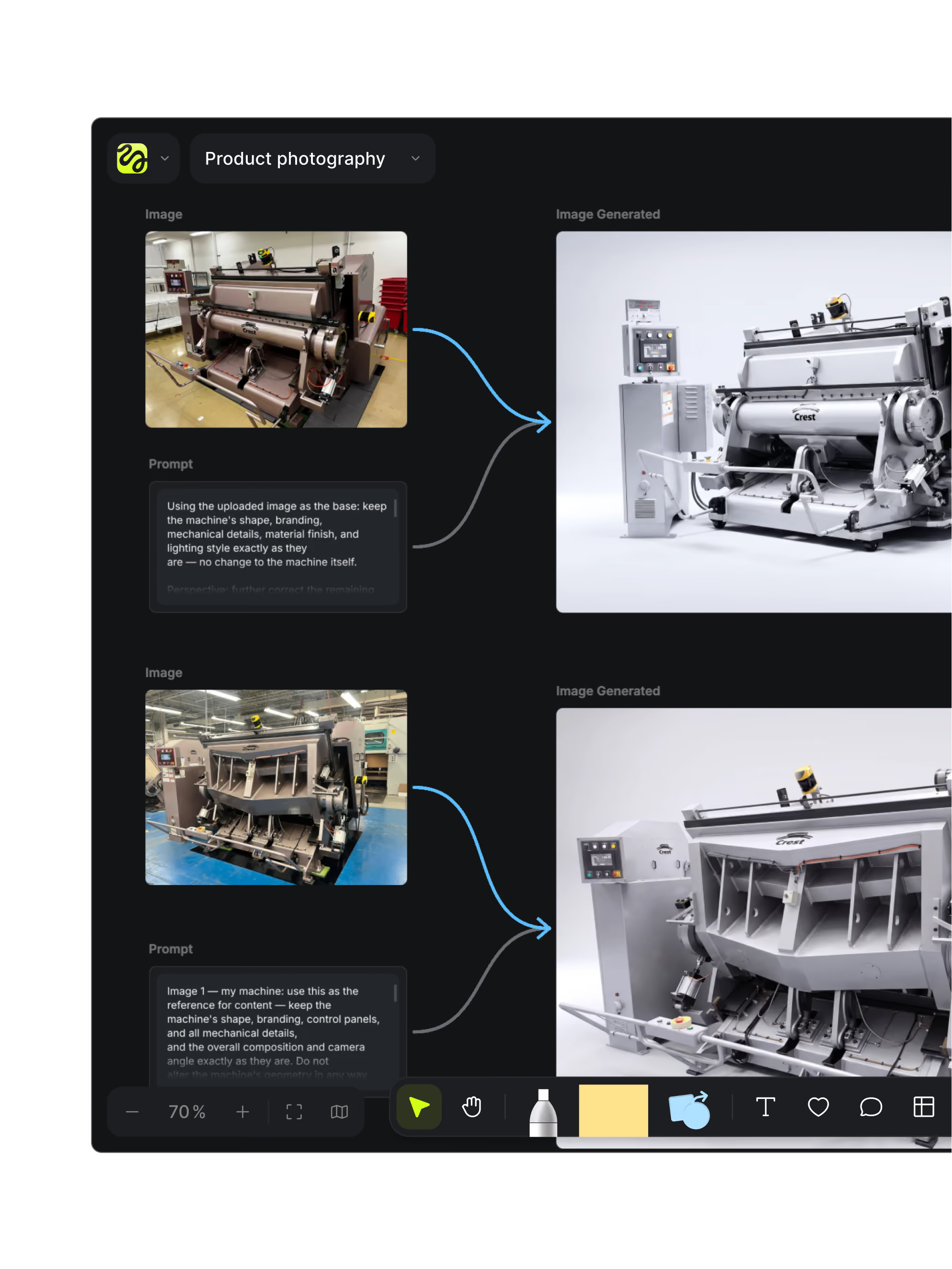
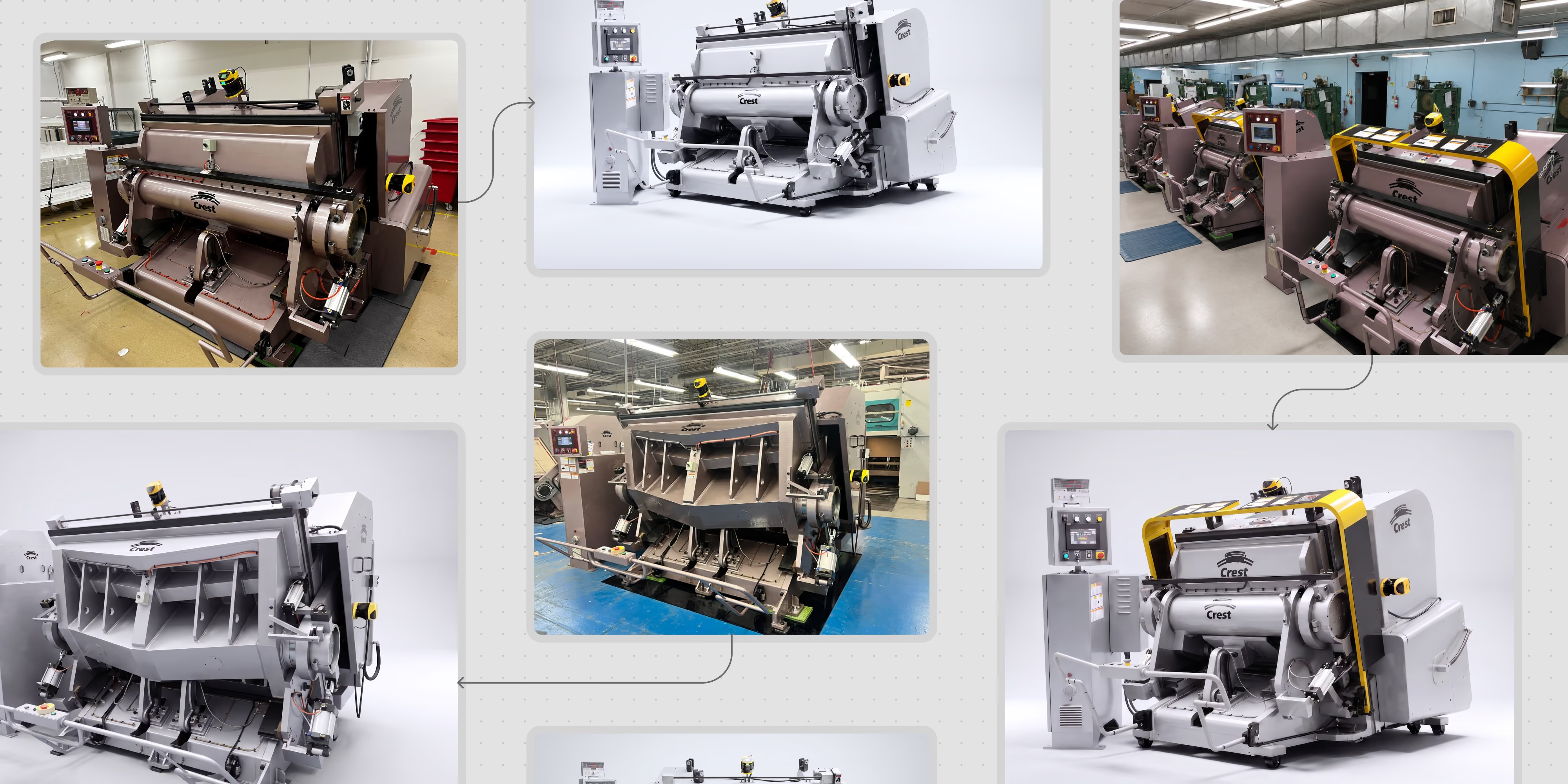
- On-brand asset generationImages, visuals and campaign assets produced inside your design system, so nothing has to be fixed by hand afterward.
- Claude skillsRepeatable workflows your team runs in Claude, from blog posts to landing pages, with your standards built in.
- AEO content enginesA pipeline for content that AI search will actually cite. Answer-first, question-led and specific to you.
How we work
Four steps, no mystery
- 01Learn the brandWe read what you've published, interview the people who know the voice, and collect the proof that makes your content specific.
- 02Build the models and skillsTone-of-voice rules, brand-trained agents and Claude skills, tested on your real content until the output passes your own team.
- 03Roll out with the teamWe train the people who will use it daily, set the guardrails, and define where a human always reviews before anything goes out.
- 04Tune and expandWe check output quality monthly, tighten the rules where it drifts, and add new skills as new content needs show up.
Questions
AI for content creation is the practice of building AI agents, models and skills around your brand so your team can produce on-brand copy, visuals and AEO-ready content faster. It covers tone-of-voice models, brand-trained agents, repeatable Claude skills and content pipelines, with a human in the loop for the expertise. The point is speed without losing the voice people recognize you by.
Not if it is trained on you. Generic prompts produce generic text. A tone-of-voice model with real examples, banned phrases and your own proof produces text your team recognizes. We test every setup against your existing content, and if your marketing lead can spot the machine, we keep tuning until they can't.
No. It replaces the blank page and the second draft. Your experts still supply the substance, the examples and the opinions, because that is what makes content worth reading and worth citing. AI handles the structure, the editing and the repurposing, which is where most of the hours went anyway.
A Claude skill is a packaged, repeatable workflow with your standards built in. Instead of writing a long prompt every time, your team picks the skill for a blog post, a landing page or a case study, and Claude follows your rules for voice, structure and sources. We write them, test them on your content, and maintain them as the brand evolves.
A workflow that produces content built to be cited by ChatGPT, Claude, Perplexity and Google AI Overviews. Answer-first structure, question-led headings, clear definitions, real numbers and named examples, with your experts as the source. It is the same method we use on our own site, packaged so your team can run it. Read about answer engine optimization.
Mostly Claude for agents and skills, OpenAI and image models where they fit better, and Figma Weave for on-brand visuals. We connect them to the tools you already use, such as Webflow, your CMS and your design system, so the content lands where it is needed instead of in another tab. See how we use AI for automation.
Guardrails and review. The tone-of-voice model holds the rules, a human reviews where it matters, and we check output quality monthly. When the brand evolves, the model evolves with it, so a rebrand or a new product line doesn't leave your AI speaking last year's language. See how we handle rebranding.
Yes. The models are trained on your voice in each language you publish in, so Danish copy sounds like your Danish and English like your English, rather than a translation of one into the other. We work across 13 markets, so multilingual setups are the norm for us, not the exception.
think we
might be a fit?
might be a fit?
Tell us where it hurts.
We'll give you a straight answer, even if it's not us.
We'll give you a straight answer, even if it's not us.
Let's talk