Digital strategy
Digital strategy that decides what you build before you build it
Digital strategy is the plan for how your website, your marketing tools, and your processes work together to reach the right people and turn them into customers.
By Rebecca Busk, CEO & Partner
Last updated: June 2026
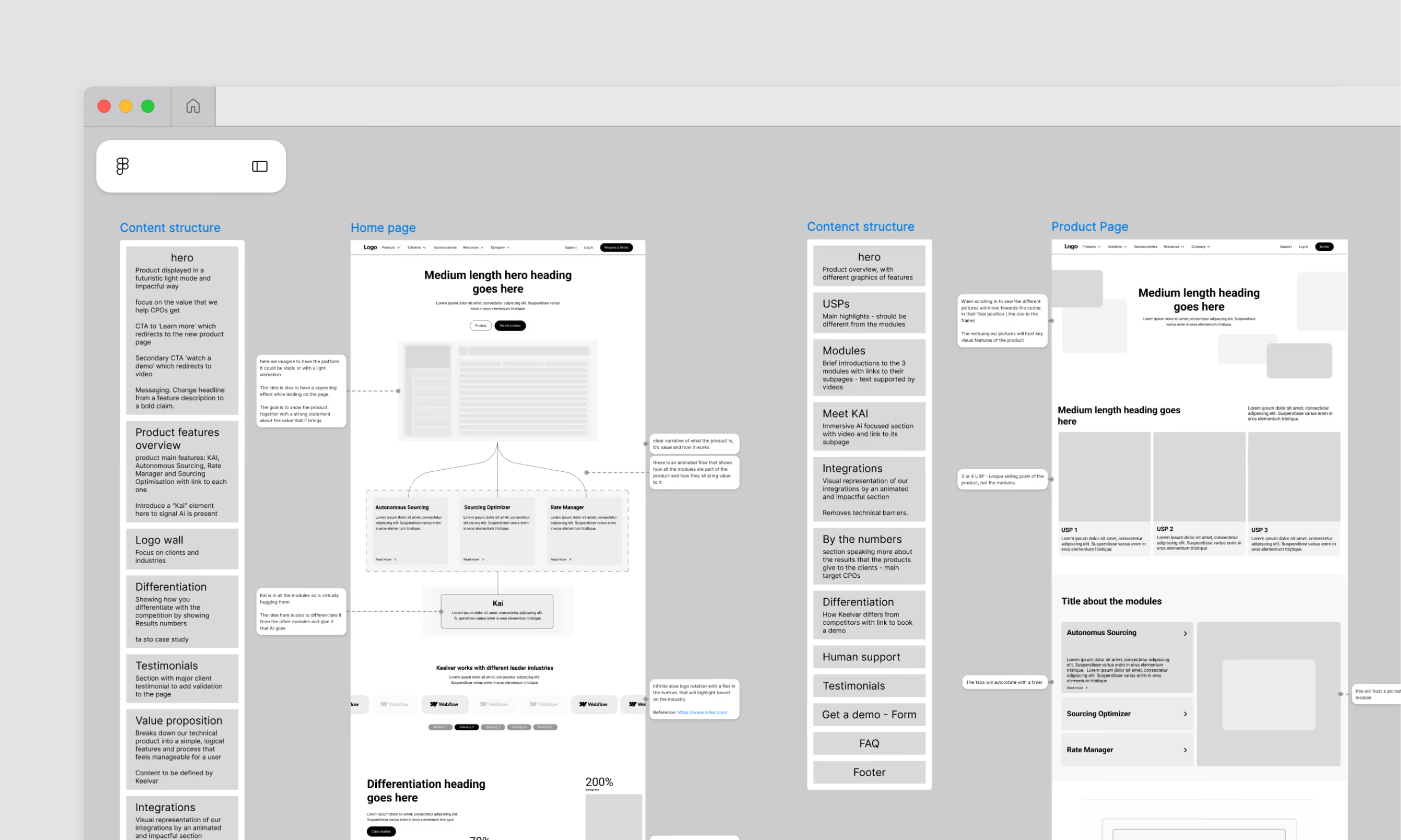
A good digital strategy tells you what to build, in which order, and what to leave alone, so you stop paying for pages and tools that never work together.
We map the journey your customers actually take, then design the setup that carries them through it. The site, the tools around it, and the processes that keep it running.
If you can tell something's off but can't point to what, that's the normal starting point. Working it out is the job.
What is digital strategy?
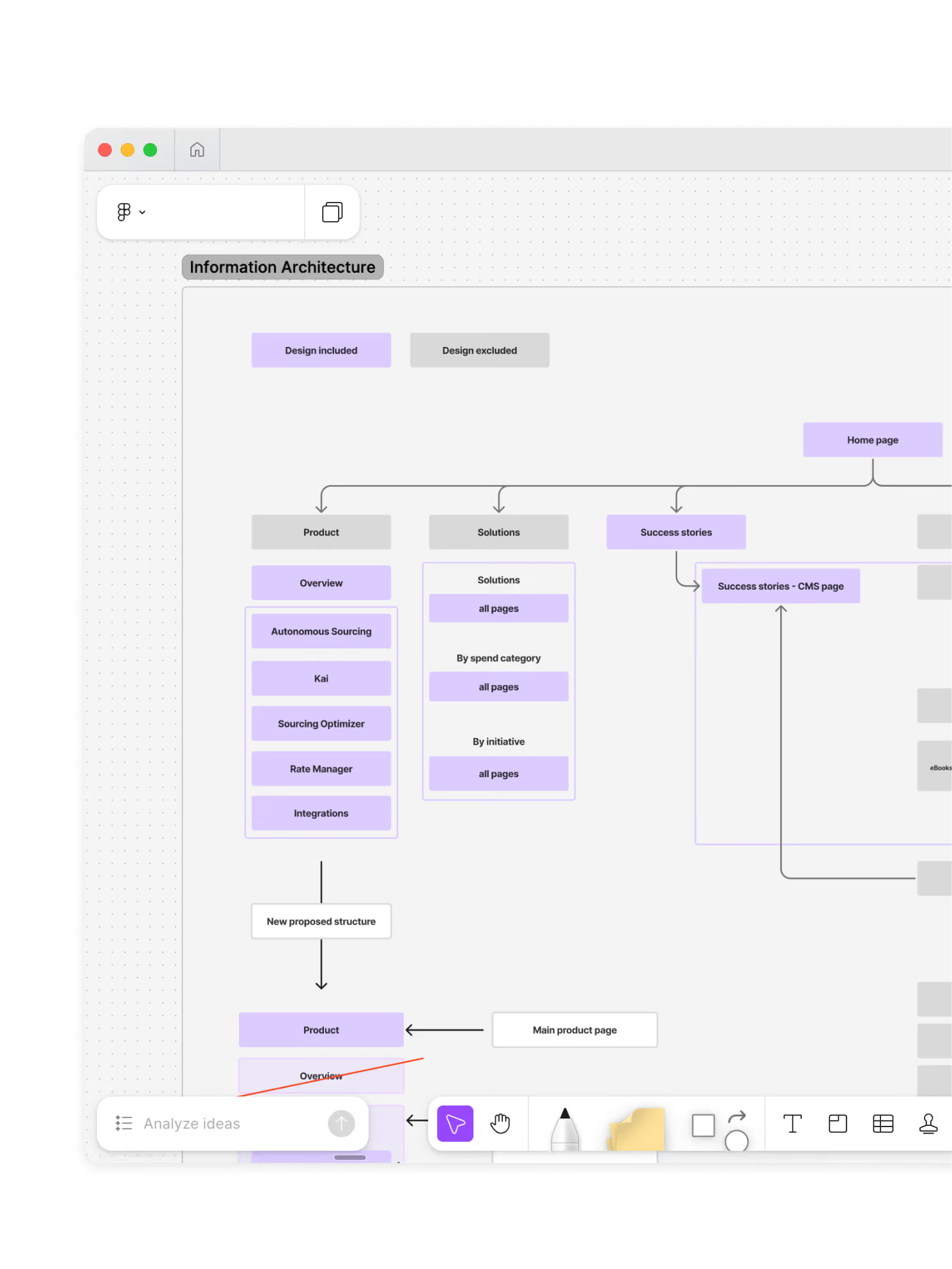
Digital strategy is the plan for how your digital setup works as one system: the website, the user journey, the marketing tools behind it, and the processes your team follows to run it. It answers what you should build, what you should connect, and what you should stop doing.
The aim isn't a slide deck. It's a prioritized plan your team can act on next quarter, with the platform, the structure, and the tooling decided before anyone starts designing. Most teams don't lack ideas. They lack the order to do them in.
Who is this for?
We work with teams whose digital setup has grown faster than the plan behind it:
- 01Your site and your tools pull in different directionsCRM, website, analytics, and email were bought one at a time, and nobody owns how they fit together.
- 02You're about to invest in a new site or a rebrandAnd you want the thinking done before the budget is spent.
- 03Traffic and leads are slipping, and nobody can say whyThere's data everywhere, but not enough of it in one place to make a decision.
- 04Marketing can't move without asking engineeringEvery change becomes a ticket, and the roadmap belongs to someone else.
That's marketing-led scale-ups, leadership teams planning a big digital move, and organizations whose setup has quietly stopped fitting them. If what you really need is a product strategy or a piece of custom software, we'll say so, and point you the right way even if it isn't us.
Strategy first or build first?
Build first | Strategy first |
|---|---|
Starts with a design or a platform and works backwards to the goals. | Starts with the goals and the customer journey, then picks the platform and the design to match. |
Tools get bought one at a time, so the stack ends up as a patchwork nobody fully owns. | Tools are chosen to fit one connected setup, with a clear owner for each part. |
It's right for a landing page or a quick test, where the cost of being wrong is low. | It's right when the site is a core channel and rebuilding it twice would hurt. |
We don't sell strategy to delay the build. We do it so the build is the right one, and so your team knows what happens after launch. If a two-week sprint answers the question, that's what we'll recommend.

What's included in a digital strategy
From how things are today to a plan your team can run
- Customer journey mapHow people actually find you, evaluate you, and decide, and where they drop off along the way.
- Platform and website strategyWhat the site needs to do, what it should be built on, and how it's structured so it can grow.
- Tool and process mapWhich marketing tools you keep, which you drop, how they connect, and who owns what.
- Roadmap and prioritized backlogWhat to do first, what can wait, and what each step takes to get there.
- HandoverA plan your team owns, with the decisions written down so they hold after we've left the room.
How we work
Four steps, no mystery
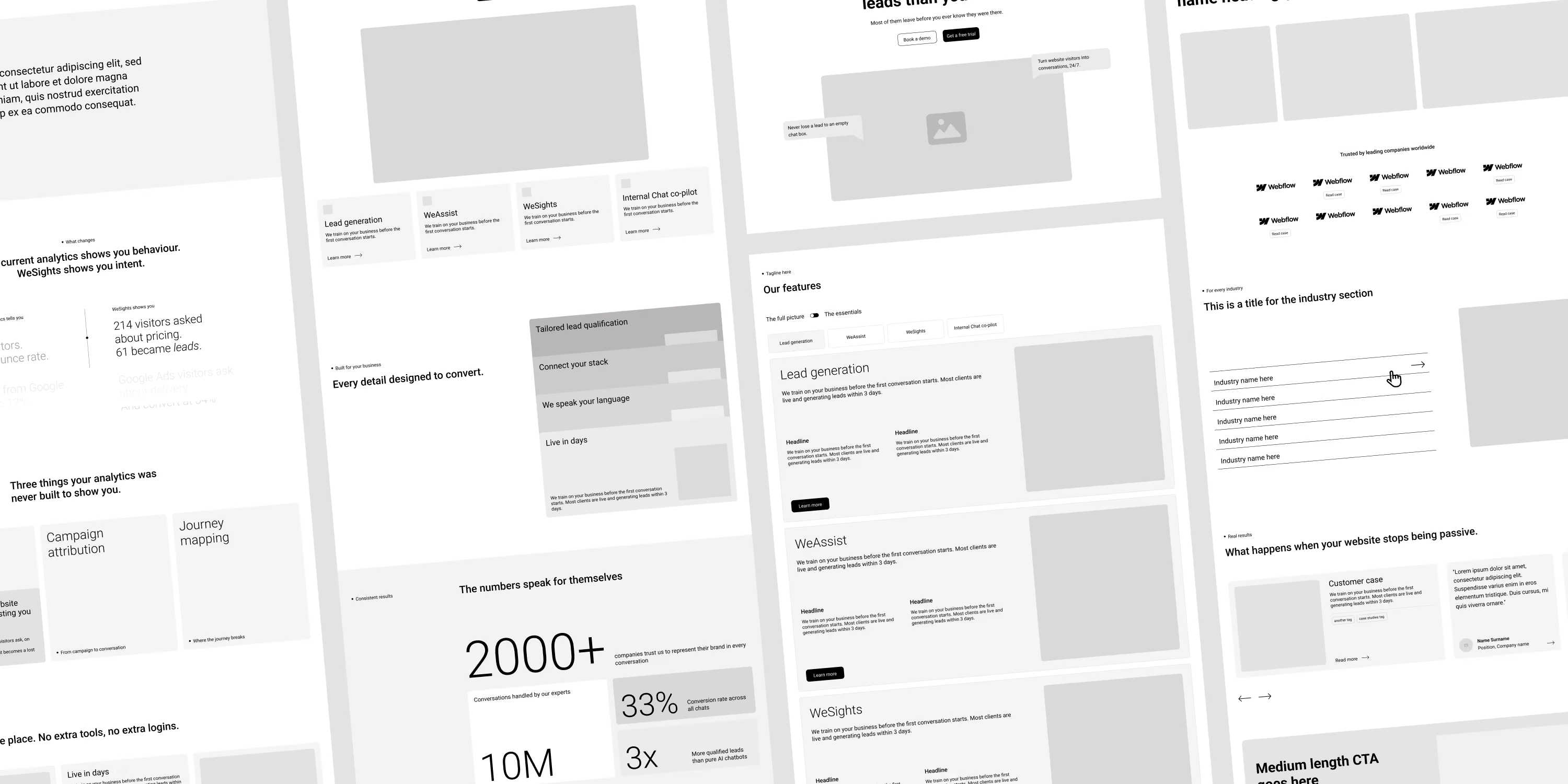
- 01DiscoverWe learn the business, the goals, and how your customers actually move through your setup today.
- 02MapJourney, tools, and processes on one page, so everyone is looking at the same picture.
- 03DecidePlatform, structure, and priorities, agreed with you before anything gets designed.
- 04Plan and hand overA prioritized roadmap your team can run, with us alongside for the build if you want it.
Questions
A digital strategy is the plan for how your website, marketing tools, and processes work together to reach and convert the right people. It covers the customer journey, the platform, the tooling, and the order to do things in. The output is a prioritized roadmap, not a report.
If the site is a core channel, yes. Building first means guessing at the structure, the platform, and the integrations, then paying to fix them later. A short strategy phase settles those decisions so the build is right the first time.
No. Brand strategy decides who you are and why anyone should care. Digital strategy decides how that reaches people online: the site, the journey, the tools, and the processes behind them. They often run together, and when both are open, brand comes first. Read about brand strategy.
Yes, if you want us to. We design and build websites on Webflow and connect the tools around them. But the strategy stands on its own, and you're free to take it to another team. We'd rather you got the right build than got it from us. See how we build websites.
No. Webflow fits most marketing-led sites, and it's what we build most on. If your setup needs something else, we'll say so. A plan that ignores your reality isn't a plan.
Most at the start. We need your input on goals, customers, and the tools you already run. After that, we carry the work and come back with decisions to make, not homework.
You have a roadmap your team can run. We can build the site, set up the tools, and stay on as the team that keeps improving it. Or you take the plan and run it yourself. Both are fine, and we'll tell you which we think fits. Read about conversion rate optimization.
Tell us where it hurts. We'll tell you what the real question is, and whether a strategy phase is worth your money. No pitch deck, no pressure.
think we
might be a fit?
might be a fit?
Tell us where it hurts.
We'll give you a straight answer, even if it's not us.
We'll give you a straight answer, even if it's not us.
Let's talk